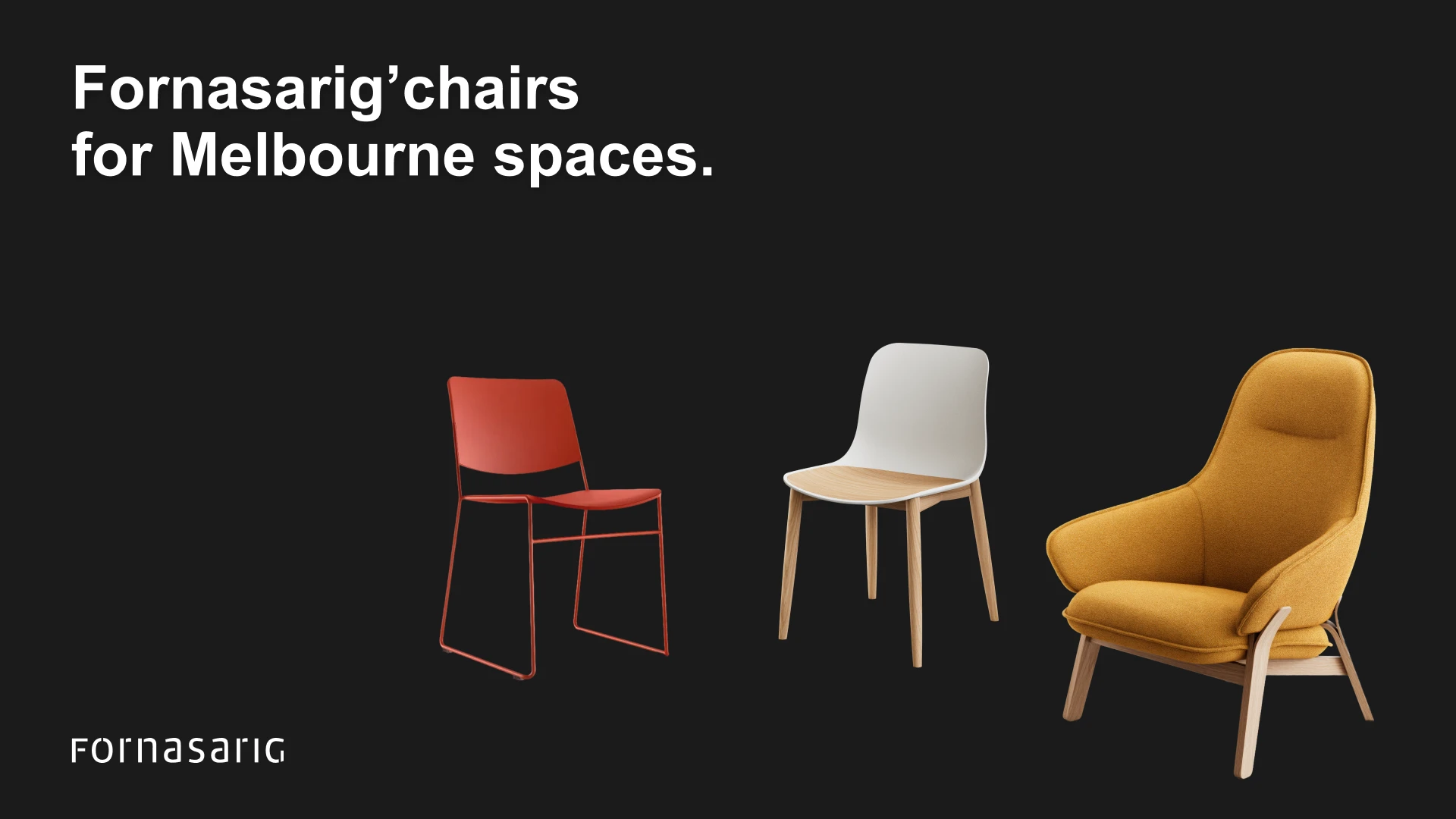
Design chairs Melbourne: why interiors rely on comfort, proportion and long-term performance
Design chairs Melbourne reflect a city shaped by creativity, craftsmanship and a strong architectural culture. Melbourne is known for its refined details, intimate atmospheres and a natural sense of balance that connects restaurants, boutique hotels, coworking hubs and cultural venues. For this reason, chairs are not simple additions to a room. They influence how people sit, focus and experience the environment around them. When comfort, proportion and durability work together, interiors feel more welcoming and remain functional over time.
In many restaurants across Fitzroy, Carlton or Southbank, seating must support long dinners without interrupting the visual rhythm of the space. Moreover, in coworking studios and creative offices around Collingwood and Richmond, chairs need to be lightweight, ergonomic and easy to move so that teams can adapt their layout throughout the day. At the same time, theatres and cultural institutions across the city require seating that combines personality with resilience, especially in high-traffic environments. These examples show how design chairs Melbourne must respond to diverse expectations while maintaining a consistent aesthetic presence.
Comfort remains a priority in Melbourne’s design approach. A well-proportioned chair supports posture naturally, helping guests feel at ease during extended use. When curvature, seat depth and lumbar support are calibrated with care, interiors become intuitively more pleasant. In addition, durable materials such as high-resilience steel rod, FSC-certified solid wood and reinforced technical resins ensure that seating remains stable and visually refined even under continuous use.
Sustainability also plays an increasingly influential role in Melbourne’s design decisions. Many studios integrate environmental responsibility into their procurement strategies, and this includes selecting chairs made with recyclable components, low-impact finishes and structures engineered for longevity. As these values become more prominent across the city, seating that aligns with durability and ethical material choices naturally becomes the preferred option.
Because of these combined factors, design chairs Melbourne must achieve a careful balance. They need to support the rhythm of the city, adapt to different interior functions and contribute to a clear visual identity. Melbourne appreciates authenticity in materials, quiet elegance and design that reveals itself through quality rather than ornamentation. Chairs that reflect this sensitivity become a natural part of the architectural language that defines the city.
This article expands on the broader perspective introduced in our Design Chairs Australia guide, offering a city-specific view on how comfort, durability and material clarity shape contemporary interiors.
Collections that shape Melbourne’s contemporary interior identity
Melbourne’s interiors blend creativity, craftsmanship and a deep appreciation for material authenticity. Because of this, chairs must adapt to spaces that range from refined restaurants to design studios and boutique hotels. Moreover, seating needs to support long hours of use without losing visual clarity. The following collections illustrate how proportion, comfort and durability come together to meet the expectations of designers across the city.
Wolfgang Lounge & Wolfgang Metal
Wolfgang embodies a quiet, timeless elegance that aligns naturally with Melbourne’s design culture. Its enveloping shell supports the body with gentle precision, creating comfort that feels immediate and effortless. Moreover, the balance between soft curves and clean geometry makes Wolfgang suitable for both intimate dining spaces and relaxed lounge areas.
The collection is available in solid wood or with a slim metal base, and each version brings its own character. The wooden frame complements the natural palettes often seen in Melbourne’s hospitality interiors, while the metal variant introduces a more contemporary rhythm for cafés, cultural venues or creative offices. In addition, the option to choose between high-back and low-back versions helps designers tune the personality of the space.
Because Melbourne values design that encourages slow, intentional experiences, Wolfgang becomes a natural choice. Its ergonomics allow guests to remain comfortable for extended periods, and its proportions blend into the architecture without overwhelming it. As a result, Wolfgang supports interiors that aim for warmth, tactility and visual coherence.
Link60X
Many interiors in Melbourne shift between different configurations throughout the day, and for this reason Link60X
delivers a level of efficiency that meets real operational needs. Recognised internationally for its extreme stackability, it allows large spaces to transition from events to compact storage in a matter of minutes. This quality is particularly relevant for universities, design hubs and community venues.
The frame in 11 millimetre steel rod provides strength while maintaining a light visual footprint. Moreover, the resin version offers scratch resistance and low-maintenance durability, making it ideal for educational settings or multifunctional halls. Optional accessories such as writing tablets, armrests and linking systems further expand the chair’s versatility, ensuring that it adapts smoothly to workshops, presentations and collaborative sessions.
Because Melbourne values functional design that does not interrupt visual balance, Link60X integrates naturally into spaces where clarity and movement are essential. Its engineering makes the chair feel easy to handle, and its proportions preserve the atmosphere of the room.
Cato X & Cato Lounge
Cato introduces a more expressive yet controlled design language. Its one-piece sculptural shell offers identity without unnecessary complexity, which resonates with Melbourne’s preference for interiors that are bold but refined. The chair’s stackability adds a practical dimension, making it suitable for cafés, flexible hospitality venues and coworking environments.
Cato Lounge extends the concept with wider, softer proportions that enhance comfort in hotel lobbies, casual meeting zones and design studios. Moreover, both versions support extensive customisation, allowing designers to refine colours, textures and upholstery to match the mood of their space. This flexibility is especially valuable in Melbourne, where interiors often combine crafted details with contemporary geometry.
Because Cato balances character and usability, it becomes a strong option for designers who want a chair that contributes personality while remaining adaptable. The collection reflects how Melbourne’s interiors embrace originality without compromising function.
Case histories that resonate with Melbourne’s design culture
Melbourne’s identity is shaped by craftsmanship, culture and a strong appreciation for materials, and for this reason designers often look at international case histories to understand how seating performs in different environments. These examples show how comfort, durability and aesthetic clarity support hospitality venues, community spaces and hybrid interiors. Moreover, they illustrate values that align naturally with Melbourne’s refined approach to design.
At Arnguli Bar and Grill and Mangata Bistro and Bar, seating plays an essential role in shaping the interior atmosphere. Camilla, Basicwood and Wolfgang 54 have been selected for their ability to combine comfort, tactility and long-lasting quality. The warm palette and soft proportions reflect the surrounding landscape, while the chairs support guests through extended dining. In addition, the durability of their materials ensures consistency across time, which is particularly valuable in Australian hospitality.
Urana Aquatic Leisure Centre – Australia
This community venue highlights how technical efficiency can elevate daily operations. Link60X supports frequent transitions between events, meetings and educational activities. The chair’s stackability allows rapid reconfiguration, while its reinforced resin variant ensures easy maintenance and resilience in high-traffic spaces. As a result, the project demonstrates how adaptable seating can improve the rhythm of public environments.
In this historic champagne house, seating contributes to an atmosphere that blends heritage and contemporary refinement. Amati Lounge and Moka chairs have been customised to match the architectural context, and their ergonomics ensure comfort during extended tastings. The project shows how thoughtful proportions and crafted materials can elevate luxury hospitality, offering relevant parallels for Melbourne’s boutique venues.
This restaurant embraces a plant-focused, minimalist aesthetic. Wolfgang Metal supports the interior through its lightweight frame, natural tones and tactile finishes. Moreover, its durability makes it suitable for continuous use throughout the day. The project illustrates how clean lines and warm materials can coexist with operational practicality, a combination that resonates with many Melbourne cafés and creative restaurants.
Situated beside the water, Paven uses Wolfgang to express a calm, coastal identity. The ergonomic form encourages lingering, while natural finishes blend with the maritime surroundings. This relationship between design and landscape mirrors Melbourne’s appreciation for interiors that feel crafted, intentional and connected to their environment.
This hybrid hospitality concept brings together guest rooms, terraces and shared areas. Wolfgang and Link Outdoor create a consistent visual language while supporting the flexibility needed for varied activities. Their durability and versatility make them suitable for spaces that shift function throughout the day, reflecting the same adaptability often required in Melbourne’s mixed-use interiors.
These case histories reveal how seating can support different atmospheres while maintaining ergonomic clarity, material authenticity and operational efficiency. They also highlight qualities that align naturally with Melbourne’s interior culture, where design is both expressive and quietly functional.
Why Melbourne designers choose durable, refined and versatile seating
Melbourne’s interiors thrive on materials that feel authentic, proportions that remain balanced and furniture that performs consistently over time. For this reason, designers often rely on seating that supports both atmosphere and daily functionality. When chairs combine ergonomic comfort with durable structures, they become a reliable foundation for hospitality venues, creative workplaces and cultural environments across the city.
Moreover, Melbourne values interiors that remain flexible. Many locations shift between different layouts throughout the day, and this makes lightweight, easy-to-handle seating an essential component of good design. Chairs that maintain clarity of form while adapting to operational needs help architects shape spaces that stay coherent even as functions change.
Sustainability also guides many design decisions. As studios continue to prioritise responsible materials, recyclable components and long-term quality, seating that aligns with these principles becomes increasingly relevant. When a chair is engineered to last, it contributes not only to comfort but also to the environmental integrity of the space.
Fornasarig interprets these expectations through collections that balance proportion, tactility and performance. The brand’s focus on craftsmanship, ergonomic research and durable construction ensures that each piece supports both the precision of the interior and the rhythm of daily use. As a result, designers who look for quiet elegance and practical reliability often select seating that feels natural within Melbourne’s design culture: refined, adaptable and consistently comfortable.