Design chairs Brisbane: why interiors depend on comfort, resilience and natural warmth
Design chairs Brisbane reflect a city shaped by light, climate and an easygoing sense of movement. Brisbane’s interiors often blend relaxed hospitality with practical functionality, and for this reason chairs become essential elements that support both atmosphere and daily use. When comfort, durability and visual harmony work together, spaces feel inviting and remain efficient throughout the day.
In many restaurants and cafés along South Bank or New Farm, seating must support long conversations while maintaining a balanced silhouette. Moreover, in educational buildings and community venues across the city, chairs need to withstand continuous use, frequent reconfiguration and the impact of high-traffic environments. At the same time, workplaces in Fortitude Valley or the CBD require seating that remains ergonomic, lightweight and easy to move. These differences show how design chairs Brisbane must adapt to a wide range of needs while preserving clarity and coherence.
Comfort plays a central role in Brisbane’s interior culture. A well-designed chair supports posture naturally and allows guests to remain seated for long periods without fatigue. When curvature, seat depth and ergonomic balance are thoughtfully calibrated, the experience of the space improves immediately. In addition, Brisbane’s warm climate encourages interiors that feel open, breathable and materially honest, making the tactile qualities of a chair even more influential.
Durability is equally important. Because Brisbane hosts numerous flexible interiors, designers select chairs that combine strength with lightness. Materials such as reinforced technical resin, high-resilience steel rod and FSC-certified wood ensure stability while allowing furniture to be moved with ease. As a result, rooms can shift from meetings to events or from dining to social use without disrupting the architectural composition.
Sustainability also informs many design decisions across the city. Studios increasingly seek chairs made with recyclable components, low-impact finishes and structures engineered to last. When interiors follow responsible design principles, seating becomes part of a long-term commitment to both aesthetic integrity and environmental care.
For all these reasons, design chairs Brisbane must achieve a subtle balance. They need to support everyday rhythm, enhance the identity of the space and maintain a natural sense of comfort. Brisbane favours interiors that feel warm, practical and aesthetically calm, and chairs that meet these expectations naturally become part of the city’s design language.
This article expands on the broader perspective introduced in our Design Chairs Australia guide, offering a city-specific view on how comfort, durability and material clarity shape contemporary interiors.
Collections that enhance Brisbane’s relaxed and functional interiors
Brisbane’s interiors are defined by natural light, open layouts and a climate that encourages environments to feel warm and adaptable. Because of this, seating must support both atmosphere and practicality, especially in hospitality venues, educational buildings and flexible public spaces. The following collections illustrate how ergonomics, material integrity and contemporary proportions respond to the needs of designers throughout the city.
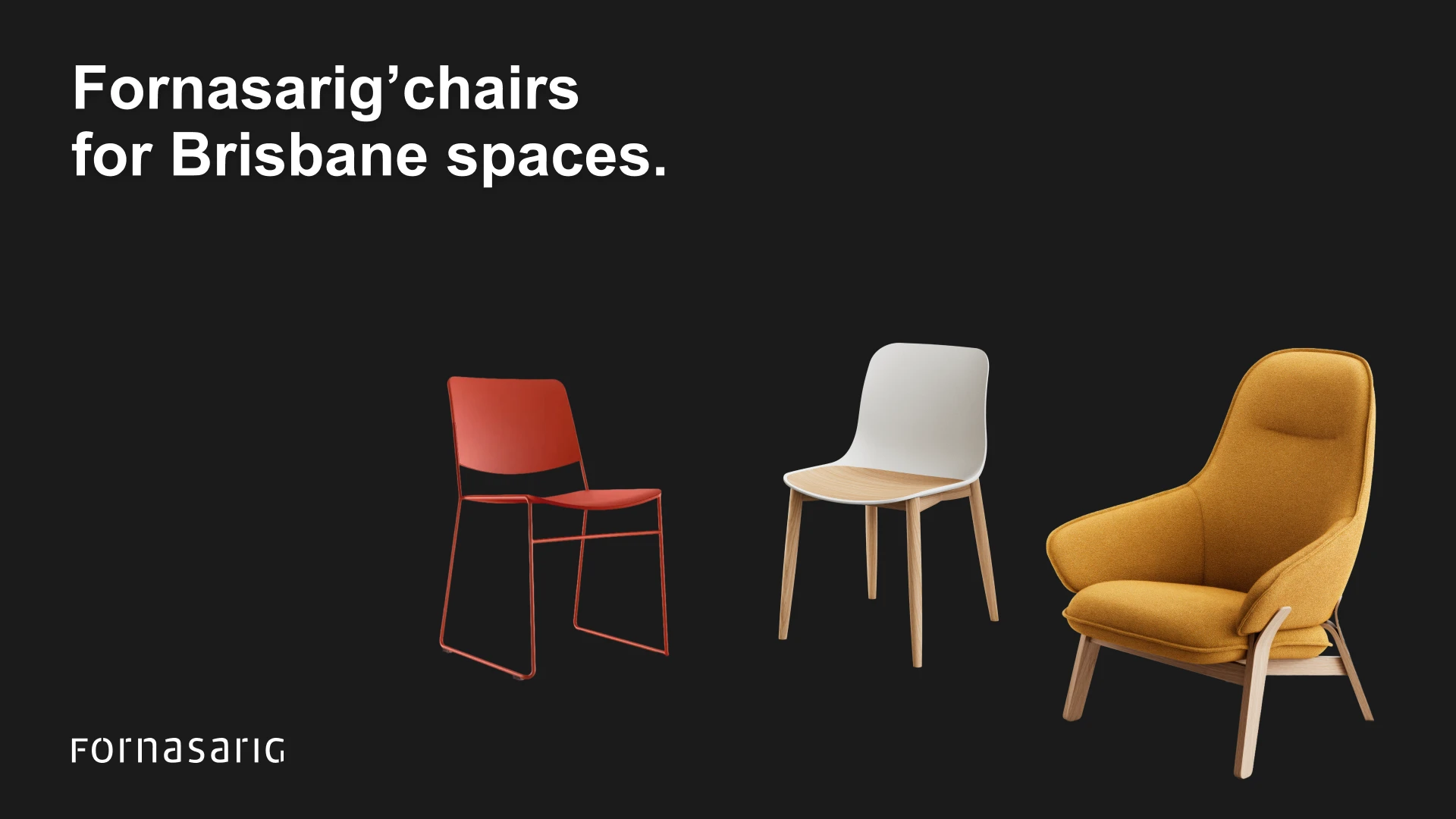
Wolfgang Lounge & Wolfgang Metal
Wolfgang’s refined softness aligns naturally with Brisbane’s approach to hospitality and casual dining. The enveloping shell supports posture with gentle precision, which helps guests remain comfortable during long meals or informal gatherings. Moreover, the collection’s balance of curves and geometry fits seamlessly into interiors that prioritise warmth, tactility and relaxed elegance.
The solid wood version reinforces the connection with natural palettes, which are common in venues across South Bank and New Farm. At the same time, the metal-base variant introduces a slimmer, more contemporary presence suitable for cafés, multipurpose lounges and cultural spaces. Designers also appreciate the option to choose between high-back and low-back versions, as this flexibility helps calibrate the atmosphere of each environment.
Because Wolfgang blends comfort with visual calm, it supports Brisbane’s tendency toward interiors that feel welcoming and uncomplicated. Its proportions and ergonomics allow people to sit comfortably without interrupting the flow of the room.
Link60X
Brisbane hosts a wide range of flexible interiors, and for this reason Link60X offers a level of practicality that proves essential. Recognised for its extreme stackability, the chair enables large rooms to shift rapidly between configurations, which is ideal for community centres, universities and event spaces. Its design helps staff reorganise seating efficiently while preserving the clarity of the architecture.
The frame in 11 millimetre steel rod ensures strength without visual heaviness, and the reinforced resin version provides scratch resistance and low-maintenance durability. Moreover, optional writing tablets, armrests and linking systems make Link60X well-suited to workshops, seminars and presentations.
Because Brisbane’s interiors often shift between educational, social and collaborative functions, Link60X supports these changes with agility. Its proportions remain discreet, and its engineering allows the chair to perform without drawing attention away from the space
Cato X & Cato Lounge
Cato introduces a clear, contemporary language that resonates with Brisbane’s interest in expressive yet functional design. The one-piece sculptural shell brings identity to cafés, coworking studios and small hospitality venues, while its stackability offers practical advantages in interiors that must adapt throughout the day.
Cato Lounge expands this aesthetic with softer, wider forms that enhance comfort in hotel lobbies, informal meeting zones and design-forward workspaces. In addition, both versions support extensive customisation, allowing designers to refine colour palettes and textures in line with Brisbane’s preference for natural tones and calm interiors.
Because Cato combines character with versatility, it becomes a strong choice for designers who want seating that feels distinctive while staying aligned with the city’s relaxed and practical design culture.
Case histories that reflect Brisbane’s relaxed and functional design culture
Brisbane’s interiors embrace natural warmth, adaptive layouts and materials that feel honest and durable. Because of this, designers often look to international case histories that demonstrate how seating performs in different environments. These examples show how ergonomics, resilience and visual balance support hospitality venues, community buildings and hybrid interiors. Moreover, they reveal qualities that align naturally with Brisbane’s easygoing yet efficient design approach.
At Arnguli Bar and Grill and Mangata Bistro and Bar, seating contributes to a warm and welcoming atmosphere. Camilla, Basicwood and Wolfgang 54 have been selected for their balanced proportions, tactile materials and long-lasting comfort. The natural palette reflects the surrounding landscape and enhances the guest experience, while the durability of the pieces ensures consistent performance. This project illustrates how hospitality venues benefit from chairs that blend comfort with a calm, grounded aesthetic.
Urana Aquatic Leisure Centre – Australia
This multipurpose community venue highlights how practical seating can support daily operations. Link60X allows staff to shift rapidly between events, workshops and meetings, thanks to its extreme stackability and lightweight structure. The reinforced resin version ensures easy maintenance and durability in high-traffic areas. As a result, the case demonstrates how adaptable seating can improve the efficiency and clarity of public spaces.
In this historic champagne house, Amati Lounge and Moka chairs complement an environment defined by refinement and architectural heritage. Their proportions support long periods of seated activity, such as tastings and special events, while the custom finishes reinforce the interior identity. The project highlights how material quality and ergonomic precision contribute to an elevated hospitality experience, offering relevant parallels for Brisbane’s boutique venues.
This plant-focused restaurant uses Wolfgang Metal to reinforce a clean, calm and contemporary palette. The combination of light frames, warm materials and durable construction makes the chairs suitable for continuous use. Moreover, the design supports the venue’s atmosphere without overpowering it. This case resonates with Brisbane’s preference for interiors that feel fresh, essential and quietly expressive.
Located beside the water, Paven Restaurant uses Wolfgang to connect the interior with its maritime surroundings. The ergonomic form encourages slow, comfortable dining, while natural finishes complement the landscape. The project reflects an approach that Brisbane often appreciates: interiors that feel crafted, understated and deeply connected to their environment.
This hybrid hospitality venue brings together guest rooms, terraces and communal areas. Wolfgang and Link Outdoor create a cohesive visual language while supporting the flexibility required by changing activities. Their durability and adaptability make them suitable for spaces that shift function throughout the day, a characteristic also common in Brisbane’s mixed-use interiors.
These case histories collectively show how refined ergonomics, durable materials and balanced proportions can enhance different atmospheres. They also demonstrate how seating that performs well internationally often integrates naturally into Brisbane’s relaxed, warm and functional design culture.
Why Brisbane designers choose seating that balances comfort, resilience and natural ease
Brisbane’s interiors are shaped by openness, warmth and a preference for materials that feel honest and well crafted. Because of this, designers often select seating that can support both atmosphere and daily functionality. When a chair maintains comfort, durability and clarity of form, it becomes a reliable element in hospitality venues, educational buildings and adaptive public spaces across the city.
Moreover, Brisbane values interiors that remain flexible throughout the day. Many venues shift between different layouts, and lightweight seating makes these transitions smoother. Chairs that can be moved easily without disrupting the visual balance of the room help maintain a sense of flow, especially in community environments or multipurpose halls.
Sustainability also plays a significant role in the city’s design decisions. Studios increasingly look for furniture made with recyclable components, low-impact finishes and structures engineered to last. When these principles guide the selection of seating, interiors not only function better but also reflect a long-term commitment to environmental responsibility.
Fornasarig’s collections align naturally with these expectations. The brand’s focus on ergonomics, material integrity and enduring construction supports the rhythm of Brisbane’s interiors. Each piece is designed to enhance comfort, withstand daily use and maintain a consistent aesthetic presence. As a result, designers who seek a balance between visual warmth, practical performance and long-term durability often rely on seating that reflects the same qualities that define Brisbane’s approach to contemporary design.