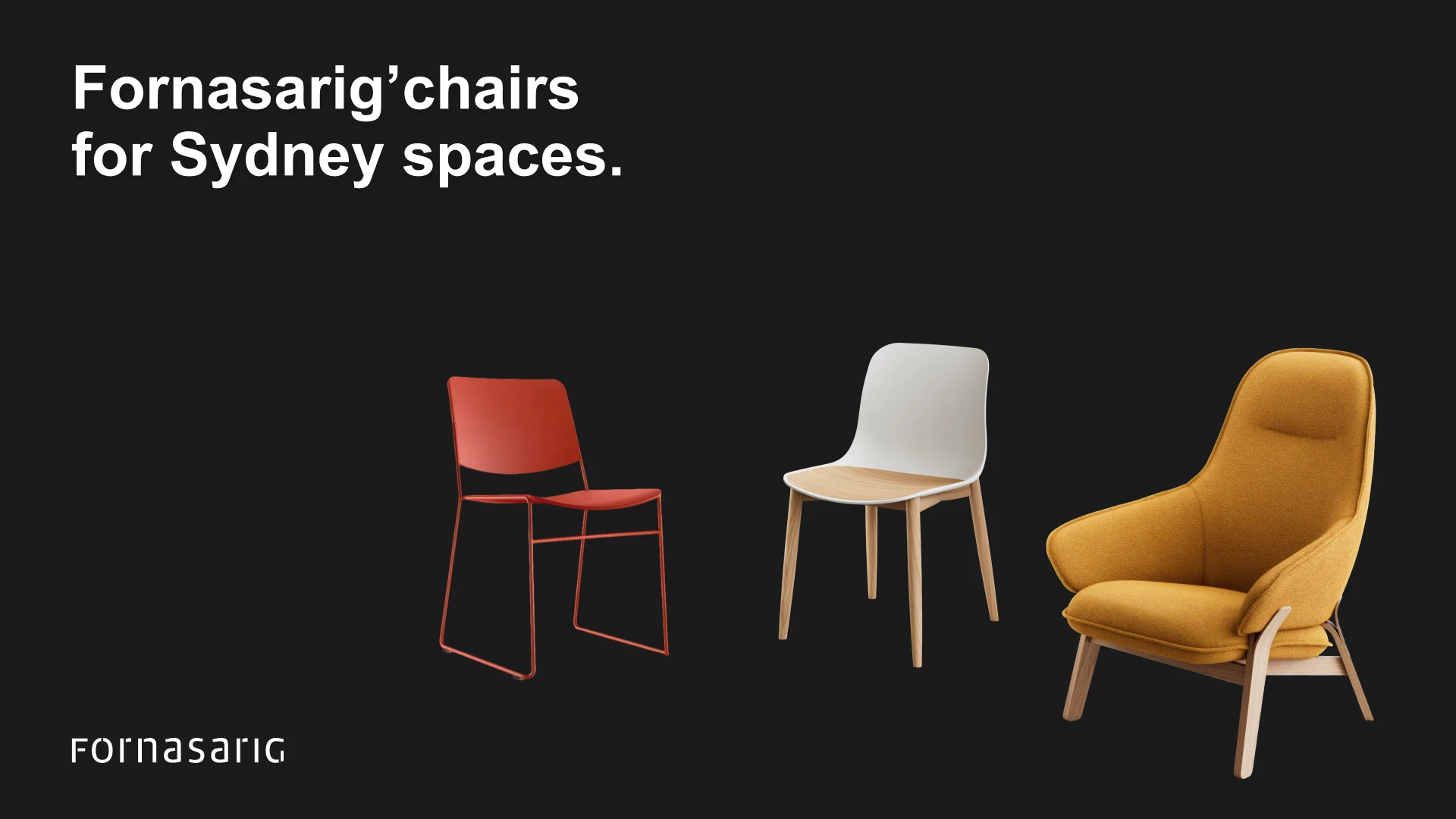
Design chairs Sydney: why seating defines contemporary interiors
Design chairs Sydney sit at the core of a city where architecture, hospitality, and lifestyle constantly influence one another. Sydney’s interiors are shaped by light, movement, and a strong connection to the coastline, and for this reason chairs do far more than complete a room. They help define how people sit, collaborate, and experience the atmosphere around them.
In harbour-view restaurants, for example, seating must support long dinners while remaining visually discreet. Moreover, in coworking spaces across Surry Hills and the CBD, chairs need to be lightweight and ergonomic so that teams can move fluidly throughout the day. At the same time, hotels along the coastline require furniture that balances comfort with resilient materials capable of withstanding intensive use. These needs show how design chairs Sydney must perform both aesthetically and operationally.
Architects therefore look for chairs that resolve practical challenges while reinforcing the identity of a space. Comfort naturally becomes the first requirement, because a well-designed chair supports posture without drawing attention to itself. When ergonomics are integrated with proportion and curvature, guests feel at ease even during extended use. This relationship between body and design is one of the qualities that many international brands, including Fornasarig, continue to explore with precision.
Durability follows closely behind. Sydney’s hospitality and workplace interiors are fast-paced, and layouts frequently shift throughout the day. Consequently, designers choose chairs that remain stable, light, and easy to handle. Materials such as high-resilience steel rod, reinforced polyolefin resin, and FSC-certified wood respond to these expectations while maintaining visual clarity. In fact, these materials allow chairs to be reconfigured quickly without compromising strength or longevity.
Sustainability also plays an increasingly significant role in design decisions. Many studios in Sydney incorporate long-term environmental goals into their procurement strategies, and this naturally extends to seating. As a result, designers often seek chairs made with recyclable components, low-impact finishes, and durable structures that do not require frequent replacement. Fornasarig applies these principles across its collections, ensuring that performance and responsibility evolve together.
Because of all these factors, design chairs Sydney must achieve a delicate balance. They need to elevate interiors through clean lines and harmonious proportions, yet they must remain adaptable enough to endure daily demands. This duality mirrors Sydney itself: a city where natural beauty and urban rhythm coexist, and where furniture must support both the quiet moments and the dynamic flow of everyday life.
This article expands on the broader perspective introduced in our Design Chairs Australia guide, offering a city-specific view on how comfort, durability and material clarity shape contemporary interiors.
Collections that define Sydney’s design identity
Sydney’s interiors combine light, proportion, and a relaxed sense of refinement, and for this reason seating collections must adapt to a wide range of spaces. Restaurants overlooking the harbour, creative offices in Surry Hills, and boutique hotels near the coastline all share one expectation: chairs must express personality while supporting daily performance. Consequently, designers often rely on collections that balance elegance with technical reliability. This balance is precisely what characterises the most established Fornasarig families, which continue to be selected for projects where comfort, durability and design clarity are essential.
Wolfgang Lounge & Wolfgang Metal
Wolfgang Lounge has long been appreciated for its ability to introduce warmth without overwhelming a space. The enveloping shell supports posture naturally, and moreover, its gentle curvature allows the chair to fit into both intimate and open interiors. In Sydney, where hospitality venues and boutique hotels often favour tactile materials and calm atmospheres, Wolfgang becomes a quiet architectural presence that enhances the room rather than dominating it.
The collection includes both solid wood and metal-base versions, and each structure offers a different way of shaping the space. The wooden frame reinforces natural palettes often used in coastal or botanical interiors, while the slim metal version introduces a more contemporary rhythm suited for urban cafés and design-forward offices. In addition, the availability of high-back and low-back configurations gives designers freedom to calibrate formality and openness according to the project’s needs.
Because Wolfgang can move seamlessly from lounges to guest rooms, and from reception areas to meeting zones, it supports the flexibility that many Sydney spaces require. Fornasarig’s focus on ergonomic balance ensures that comfort remains consistent throughout lengthy use, which is a decisive factor in the hospitality and workplace sectors.
Link60X
Sydney’s dynamic interiors also demand chairs that respond effortlessly to logistical needs. For this reason, Link60X often becomes a key asset in venues that must transform rapidly throughout the day. Recognised internationally for its extreme stackability, Link60X shifts from large gatherings to compact storage in seconds. This is especially relevant for multifunctional spaces in universities, corporate hubs and event locations.
The chair’s 11 millimetre steel rod frame combines strength with minimal visual weight, and this combination makes it suitable for interiors where clarity and movement are essential. Moreover, the reinforced polyolefin resin version offers scratch resistance and effortless maintenance, qualities valued in high-traffic educational or community spaces. Optional elements such as writing tablets, armrests and linking systems allow the chair to adapt to training sessions, presentations and workshops without interrupting the architectural layout.
Because Link60X was engineered to provide performance without visual complexity, it fits naturally into Sydney’s preference for functional, lightweight and well-proportioned furniture. The collection demonstrates how technical intelligence can shape user experience without becoming intrusive.
Cato X & Cato Lounge
Cato brings a different yet equally contemporary expression. The one-piece sculptural shell creates a bold silhouette, and at the same time its geometric clarity ensures versatility. Sydney’s cafés, coworking spaces and casual hospitality venues often search for chairs that provide identity with minimal elements, and Cato responds precisely to this need. The chair’s stackability also makes it practical in environments that shift between different seating arrangements throughout the day.
Cato Lounge expands the original form with wider proportions, which makes it ideal for informal meeting areas or hotel lobbies where comfort and visual softness are expected. Moreover, both versions benefit from extensive customisation, allowing designers to refine colour palettes and textures so that the chairs align perfectly with the surrounding architecture.
Because Sydney blends coastal influences with metropolitan energy, Cato’s adaptability becomes particularly valuable. It can appear graphic and contemporary in city interiors, and simultaneously feel understated and calm in more relaxed locations.
Case histories that reflect Sydney’s design values
Sydney is a city where global influences meet local sensibilities, and for this reason designers often seek references that demonstrate how seating performs in different cultural and architectural contexts. The following case histories show how refined ergonomics, durable materials and balanced aesthetics can support very different types of environments. They also highlight how chairs that perform well in varied settings tend to integrate naturally into Sydney’s hospitality and workplace landscape. These examples illustrate qualities that align with the expectations of Australian designers who look for solutions capable of combining comfort, resilience and visual coherence.
At the Arnguli Bar and Grill and the Mangata Bistro and Bar, seating contributes significantly to the atmosphere of the interior. Camilla, Basicwood and Wolfgang 54 have been selected for their comfort, their thoughtful proportions and their ability to match a warm, natural palette. The pieces blend quietly into the architectural context, and this harmony reinforces the guest experience. In addition, the use of high-quality upholstery and durable materials ensures that the furniture remains consistent in both look and performance over time. This case reflects how chairs that balance tactility and functionality can enhance hospitality spaces across Australia.
Urana Aquatic Leisure Centre – Australia
In this multifunctional venue, Link60X demonstrates how technical intelligence can support daily requirements. The chair’s stackability and lightweight construction allow staff to reconfigure rooms quickly, which is essential in spaces used for community events, meetings and educational activities. Moreover, the resin version offers scratch resistance and easy maintenance, qualities that are particularly important in high-traffic environments. This case shows how adaptable seating can contribute to operational efficiency while maintaining clean, contemporary lines.
In this historic champagne house, seating plays a crucial role in expressing elegance and comfort. Amati Lounge and Moka chairs have been chosen to complement the refined architectural context, and their custom finishes contribute to a cohesive visual identity. The ergonomic balance of the pieces ensures that guests remain comfortable during extended tastings or events. The project demonstrates how high-end hospitality settings benefit from chairs that combine precision, durability and aesthetic clarity. These qualities resonate strongly with the expectations of Australian boutique hotels and premium dining venues.
This plant-driven restaurant concept relies on a calm, balanced interior palette. Wolfgang Metal chairs support the aesthetic by introducing lightness and warmth through a combination of slim frames and tactile finishes. In addition, their durability makes them suitable for environments where seating is used continuously throughout the day. The project illustrates how clean lines and natural materials can align functionality with atmosphere. These characteristics make similar solutions attractive for Sydney cafés and relaxed dining spaces.
Located in a seaside setting, Paven Restaurant uses Wolfgang to enhance a space that blends contemporary design with maritime character. The ergonomic form supports comfort during long meals, and the natural finishes integrate seamlessly with the surrounding landscape. Because Sydney also hosts many coastal restaurants and hospitality venues, this project offers a relevant example of how chairs can mediate between interior architecture and the environment outside. The result is a dining experience that feels cohesive and calm.
This hybrid hospitality concept combines guest rooms, terraces and shared areas. Wolfgang and Link Outdoor contribute to a consistent aesthetic across different functions. The chairs are durable and versatile, which makes them suitable for spaces that must accommodate varied activities throughout the day. This flexibility is particularly aligned with Sydney’s emerging hospitality models, where modularity and ease of movement are essential for creating fluid environments without compromising style.
These international case histories collectively reflect values that are central to Sydney’s design culture. They highlight how materials, ergonomics and thoughtful proportions can elevate the user experience while supporting the operational needs of hospitality and public venues. They also confirm how seating that performs reliably in diverse settings often becomes a natural choice for designers who work in a global, interconnected city like Sydney.
Why Sydney designers choose refined, durable and versatile seating
Sydney’s interiors are defined by a balance of atmosphere, functionality and long-term performance, and this is why designers often select seating that remains consistent through daily use. Chairs that offer ergonomic comfort, durable materials and clear proportions support both hospitality venues and modern workspaces, allowing each environment to maintain its identity with ease. Moreover, flexibility has become essential in a city where spaces frequently shift between different configurations throughout the day.
For this reason, collections that combine design clarity with technical precision continue to be appreciated across Sydney. When seating aligns with the rhythm of a space, architects gain a reliable foundation for creating interiors that feel welcoming, efficient and visually coherent. In addition, when materials are responsibly selected and engineered to last, furniture becomes a natural extension of a sustainable design approach.
Fornasarig’s long-standing focus on craftsmanship, ergonomics and durability makes its seating a strong match for these expectations. The brand develops chairs that support atmosphere as much as performance, ensuring that each piece contributes to the overall quality of the interior. As a result, designers who seek comfort, versatility and timeless simplicity often rely on solutions that bring together engineering intelligence and visual balance.