Superior craftsmanship since 1878
this is our story
For over 15 decades, we at Fornasarig have been crafting iconic chairs to the highest standards of functionality, craftsmanship, and design. Our high-performing seating solutions stack, link, and move effortlessly, adapting to diverse spaces while enhancing both their design and usability with a pure, minimalist aesthetic.
1878–1900
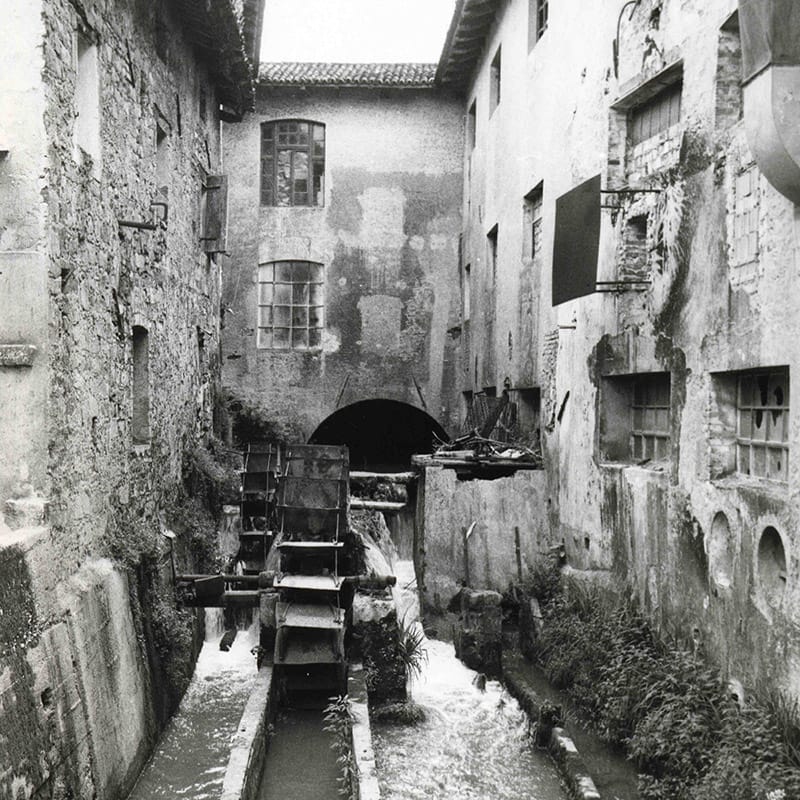
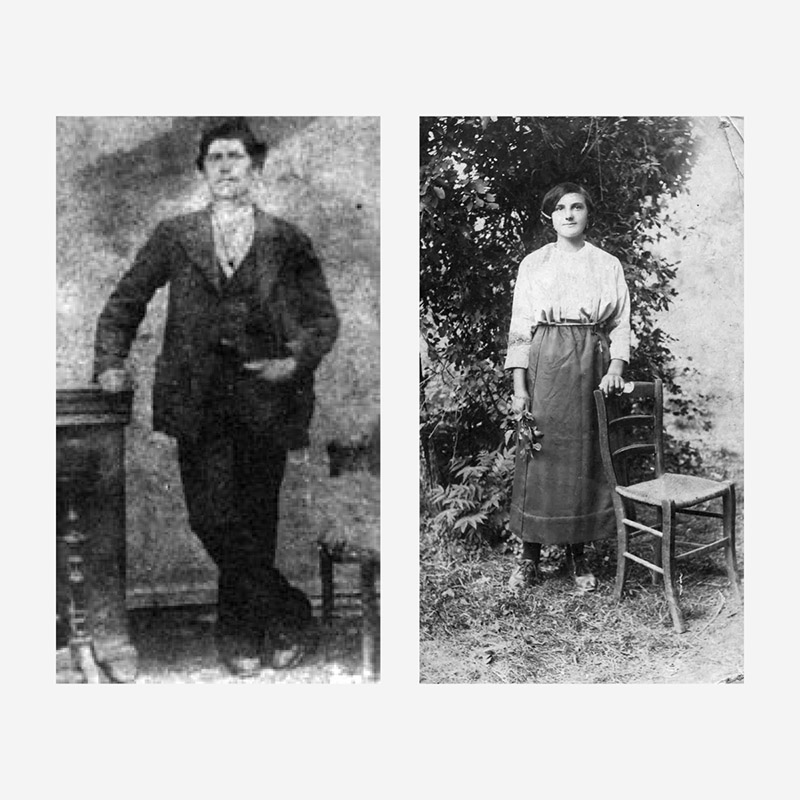
The Fornasarig family, long-established as chair makers, moved to the Kingdom of Italy from the Austro-Hungarian Empire in 1878, prompted by the crisis that ensued when the borders were adjusted and the craft workshops were separated from their natural market. Other families followed them, laying the foundations of what was to become the Triangle of the Chair. In 1891, a document in the municipal archives at Manzano records the small Fratelli Fornasarig business, with machines powered by the water of a former mill that had been converted for use as a factory. Mechanisation boosted output from three to eight chairs every 12 hours. The men made the frames, then the women finished them and wove the straw bottoms. This production system continued unchanged until the 1960s, creating a family-centred economy in the chair district that has survived to the present day.
1900–1920
The products manufactured by Fratelli Fornasarig were simple, rustic chairs with flat or straw seats. There were three slightly different versions, but all were plain, lightweight articles that could be moved around easily: the Marsiglia, the Marocca and the Marburg. In addition, Manzano also produced the more sophisticated Viennese chairs and the Genova model, which competed with Thonet chairs and the Ligurian Chiavarina chair. Economic growth was brusquely interrupted by the outbreak of the First World War, which raged across the area and slowed down all manufacturing activities. Seventy per cent of industrial capacity was wiped out, and Friuli was still not back to pre-war production levels ten years later. After the First World War, Fratelli Fornasarig recommenced operations. The factory had a band saw and a bush lathe, which meant other manufacturers were obliged to come to them to get their timber cut and pieces turned.
1920-1940
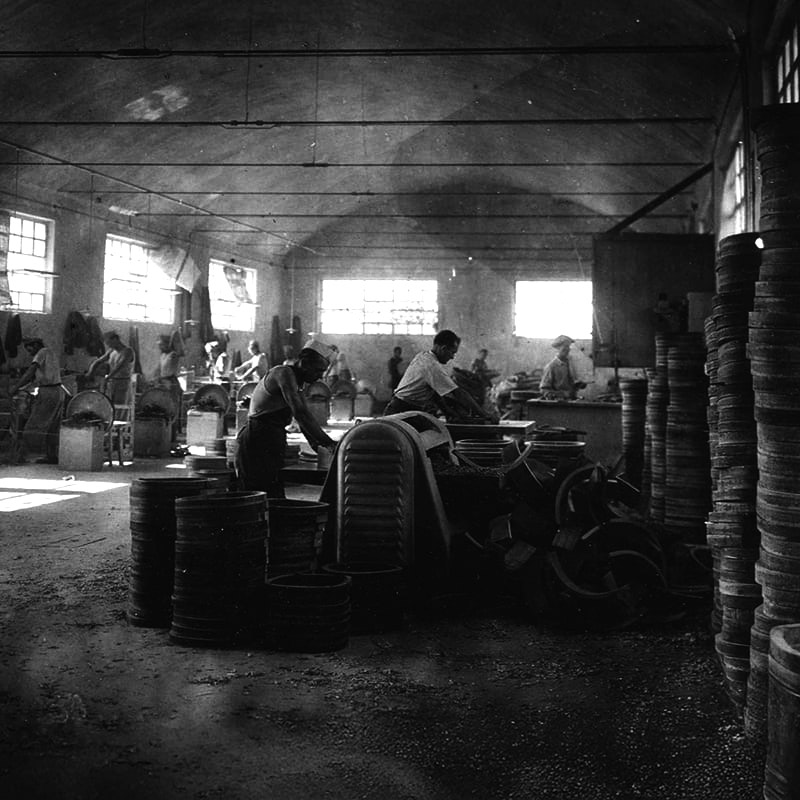
The turmoil of the post-First World War years was followed by economic difficulties that forced factories to review production. It was difficult to obtain raw materials for chairs, and labour costs were rising. A refusal to look to markets abroad decreed the end for many manufacturers. Businesses went bankrupt, or were sold. As is the case today, existing companies expanded to take their place, and new ones were set up. On 18 November 1928, Toni Fornasarig passed on, quickly followed by Zaneto. It was time for the first hand-over between the generations. In the end, the company split, to form Fratelli Fornasarig fu Antonio and Fratelli Fornasarig fu Giovanni, whose partners were brothers Giovanni, Umberto, Lino, Silvio and Gino. Silvio would take up his father’s mantle, and in less than two decades transformed the craft workshop into a thriving business.
1945-1958
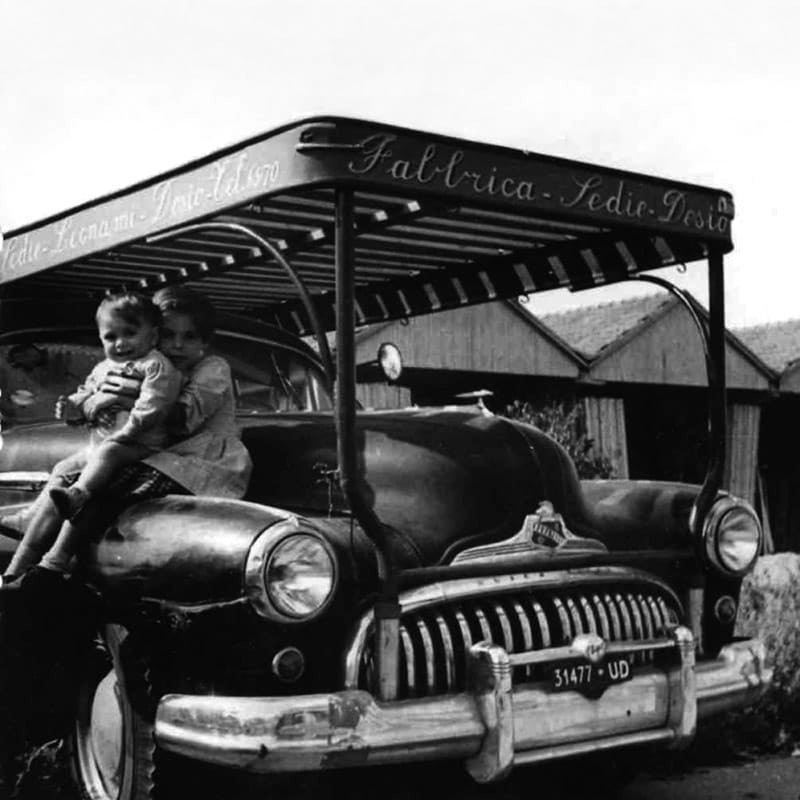
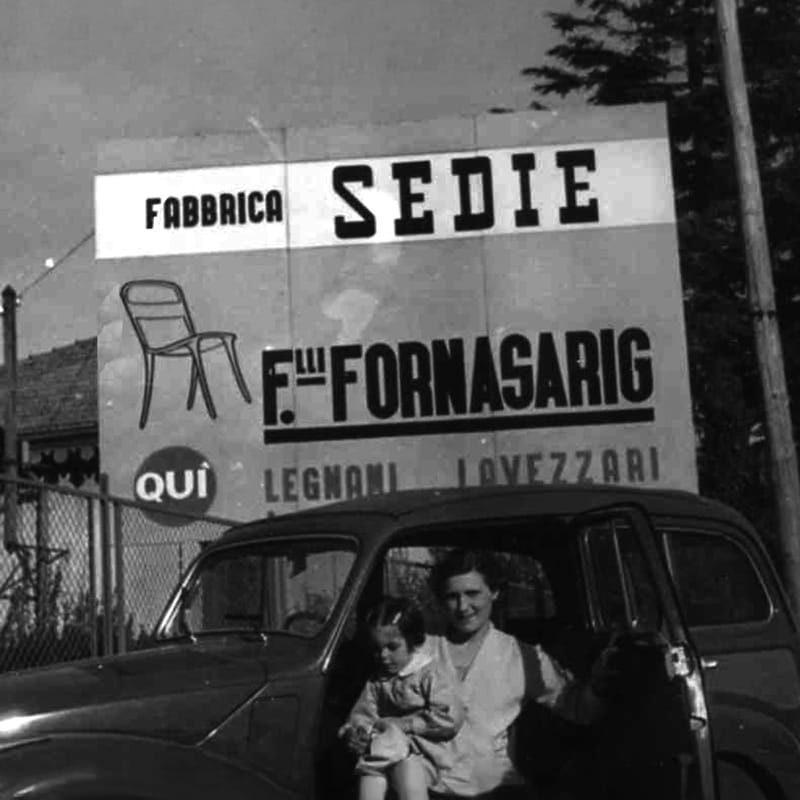
Italy emerged exhausted from the Second World War, but the low production costs associated with family-run businesses aided recovery. In particular, family-run Friulian chair-making companies earned success with solid, traditional products sold at competitive prices. The products were an excellent response to the growing demand for furniture that was driven by reconstruction work. That success was underpinned by hard work. The economic situation was still difficult, and emigration was part of the price paid by Friuli to improve it. One of the larger manufacturers that attracted the more prestigious contracts was Fratelli Fornasarig, which was expanding in many directions. The company’s entrepreneurial dynamism enabled Fornasarig to survive the market recession in 1954, and to make good the damage caused by devastating flooding when the river Natisone broke its banks on 22 June 1958.
1959 - 1969
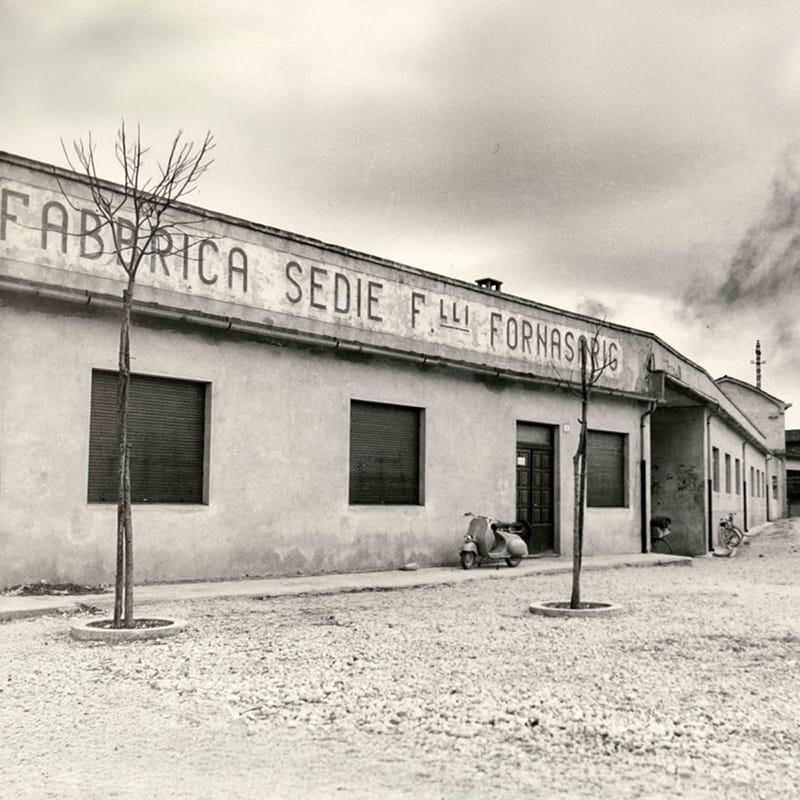
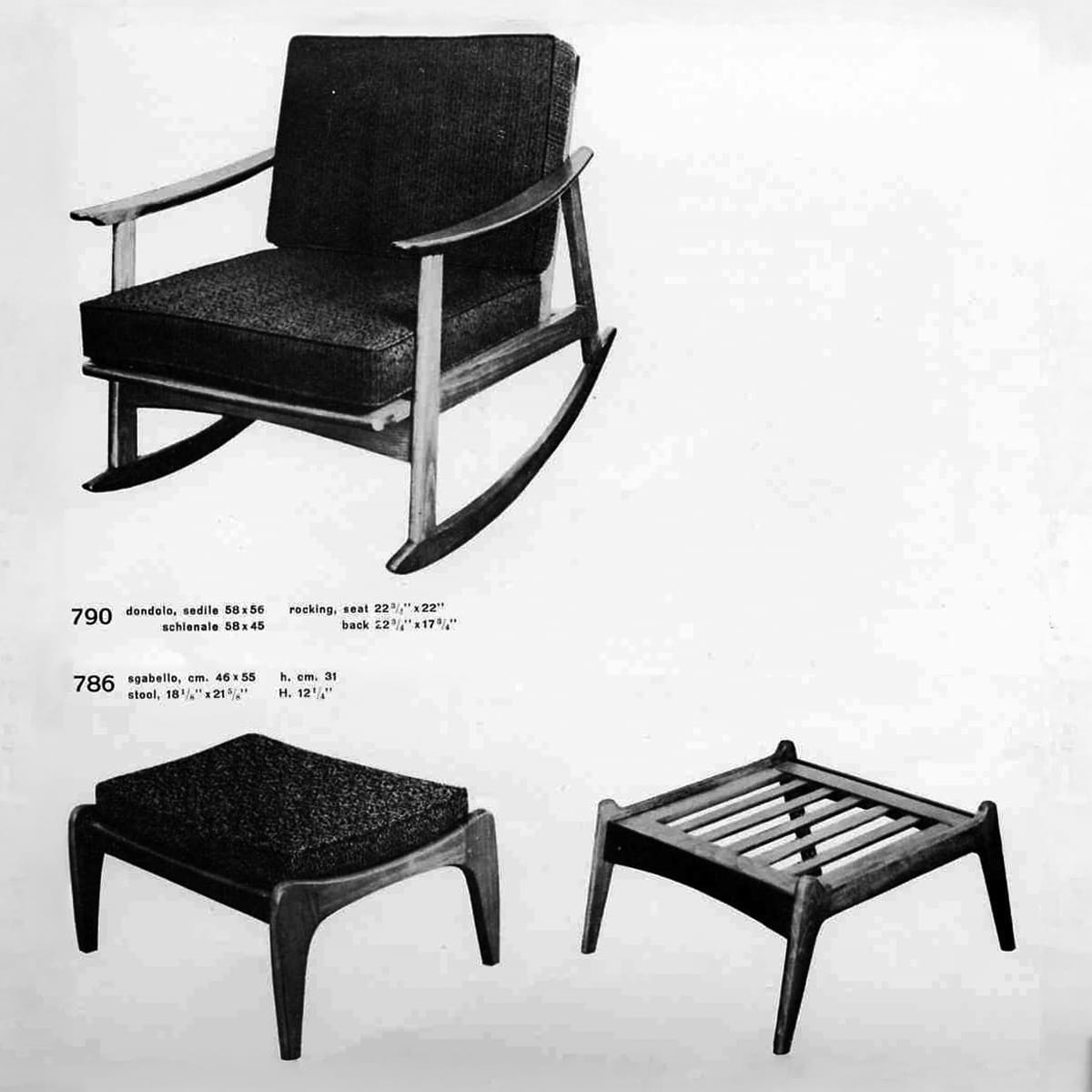
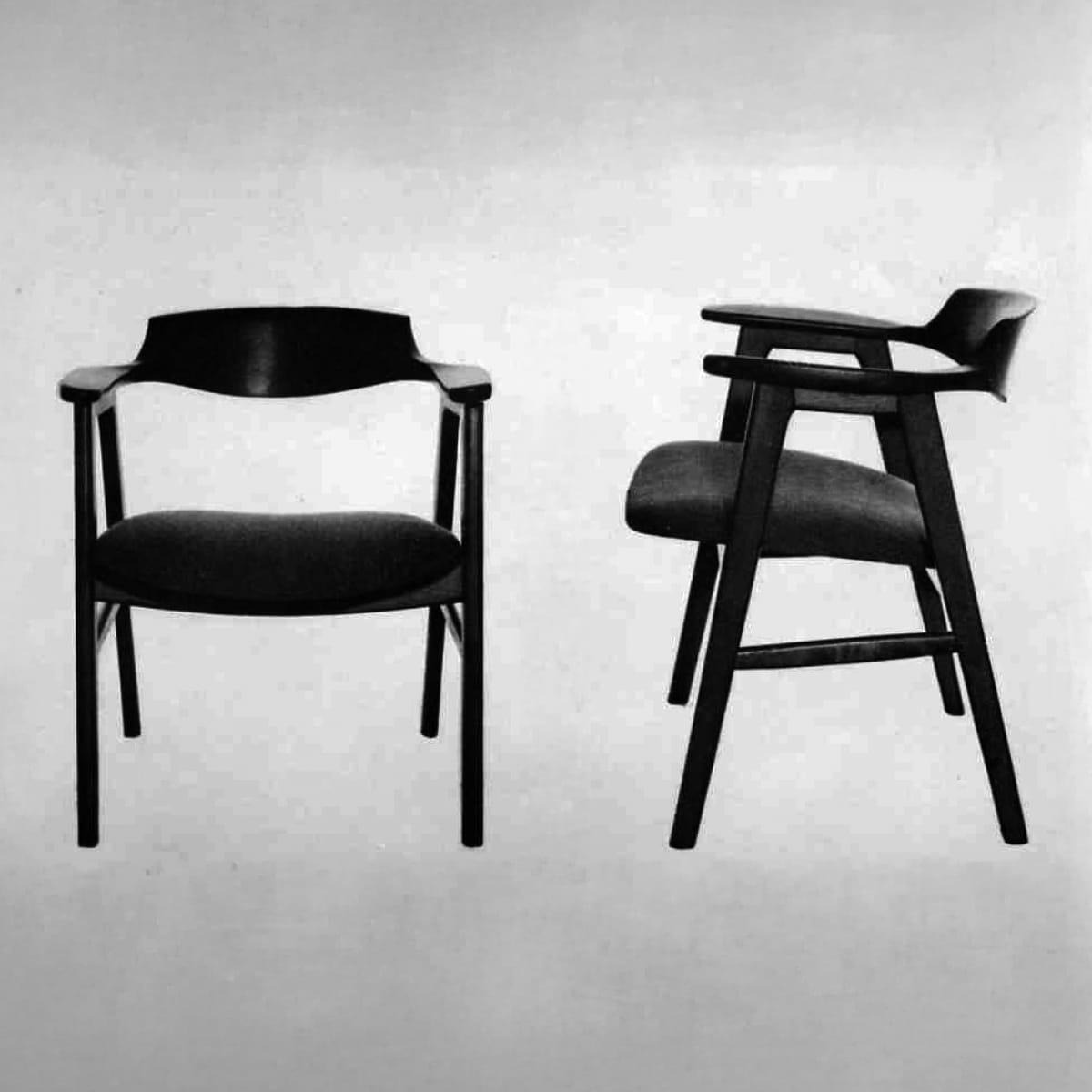
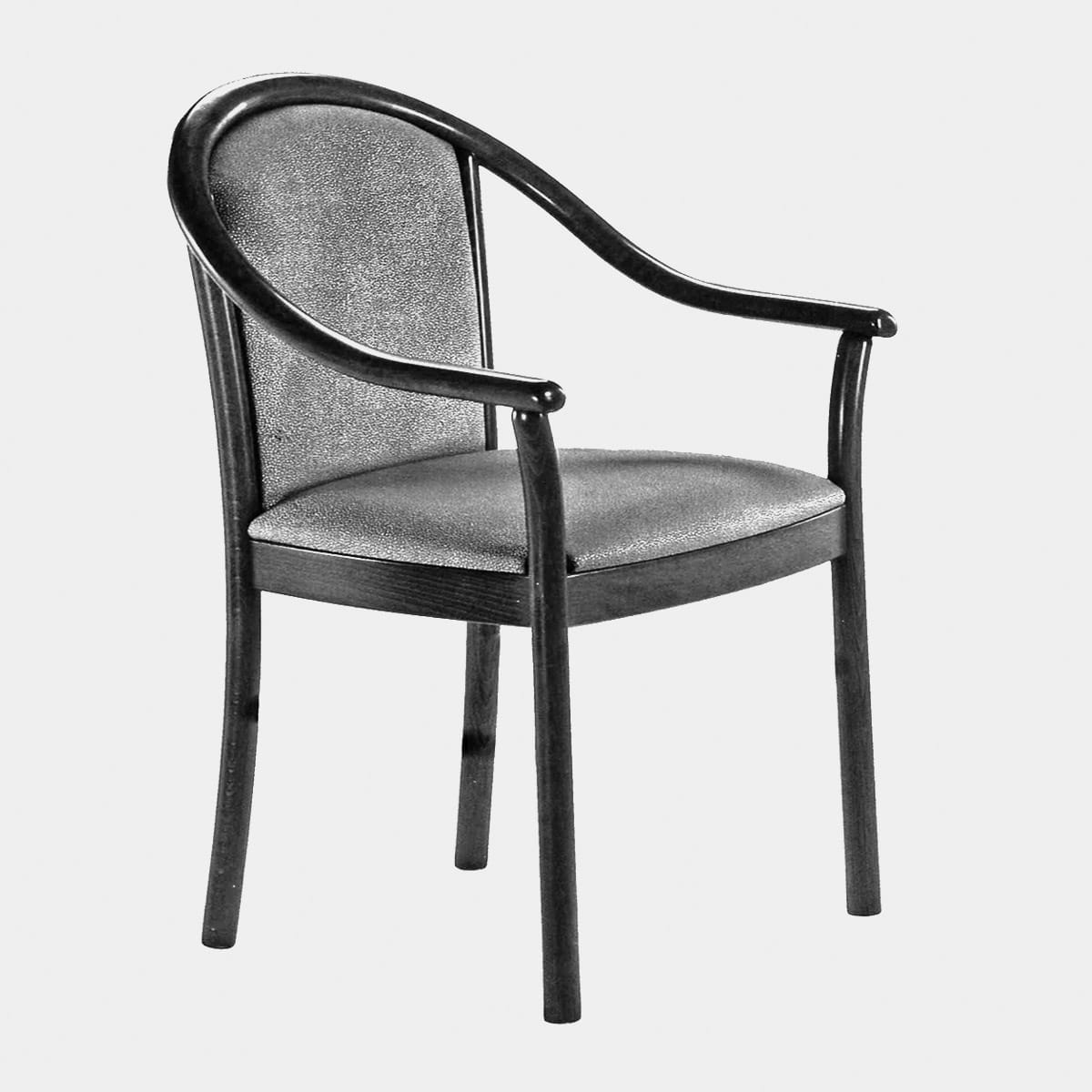
The year 1959 was when the long-established Fratelli Fornasarig company sprouted a new shoot. Giovanni, Ezio and Armando, by now the third generation of Fornasarig chair makers, set up an independent business on their own, founding the Fabbrica Sedie Friuli Fornasarig. To begin with, it was a small workshop, but within two years an industrial building stood where the factory is still located today. The prospects for success were good. Italy trebled production of motor cars, and there was a boom in the sales of refrigerators, washing machines and televisions. Demand for chairs was also on the rise. Giovanni was the driving spirit of the Fabbrica Sedie Friuli Fornasarig, and the models in the catalogue were his. He drew constant inspiration from his study of seatings from the past, re-interpreting familiar forms and bending the wood to his creative genius. A personal predilection for simplicity inclined Giovanni to look with greatest interest at the Louis XVI, Regency, Empire and Directoire styles. Models inspired by popular tradition were not limited to local straw-bottom chairs, and confirmed an interest in the American market shared by many companies at the time.
The seventies
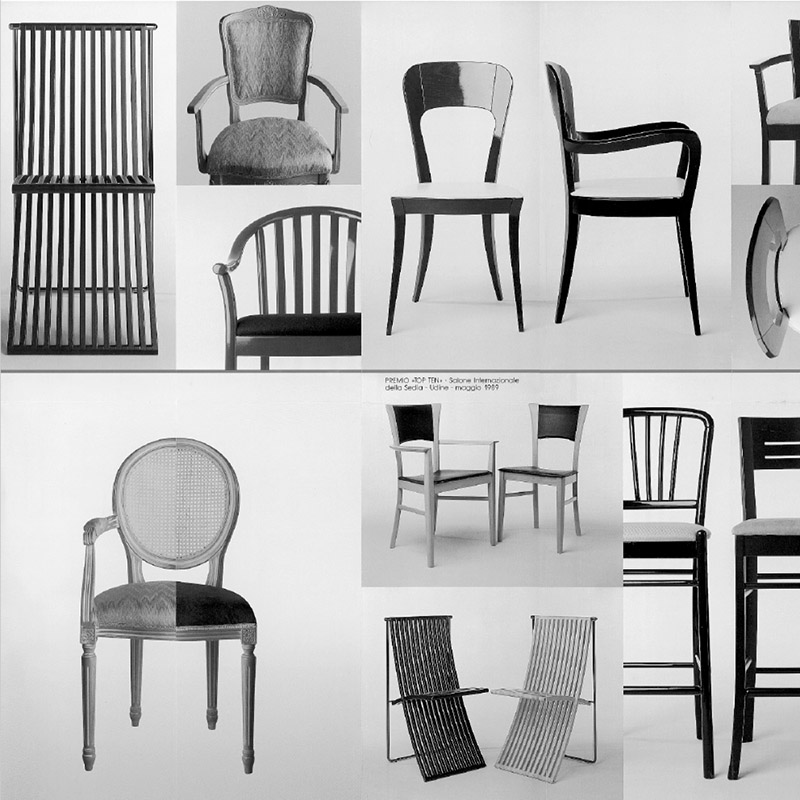
The optimism of the sixties faded away forever, after the epic years of protest, as the oil crisis imposed austerity. In 1976, austerity was aggravated by the catastrophic earthquake that devastated Friuli, causing more than 1,000 deaths. Italy’s large companies identified design as the potential added value that would enable them to compete in the market. But yet again, the chair sector failed to come to grips with designer products, trusting for success to undistinguished “modern” kitchen chairs. The modular, Formica-topped cucina all’americana, or “American kitchen”, became the vehicle that brought to market endless customised or customisable variations on this theme from Fabbrica Sedie Friuli Fornasarig and other manufacturers. In 1977, in the wake of that success and before the second oil crisis in 1979, the first International Chair Salon was organised at Udine
The eighties
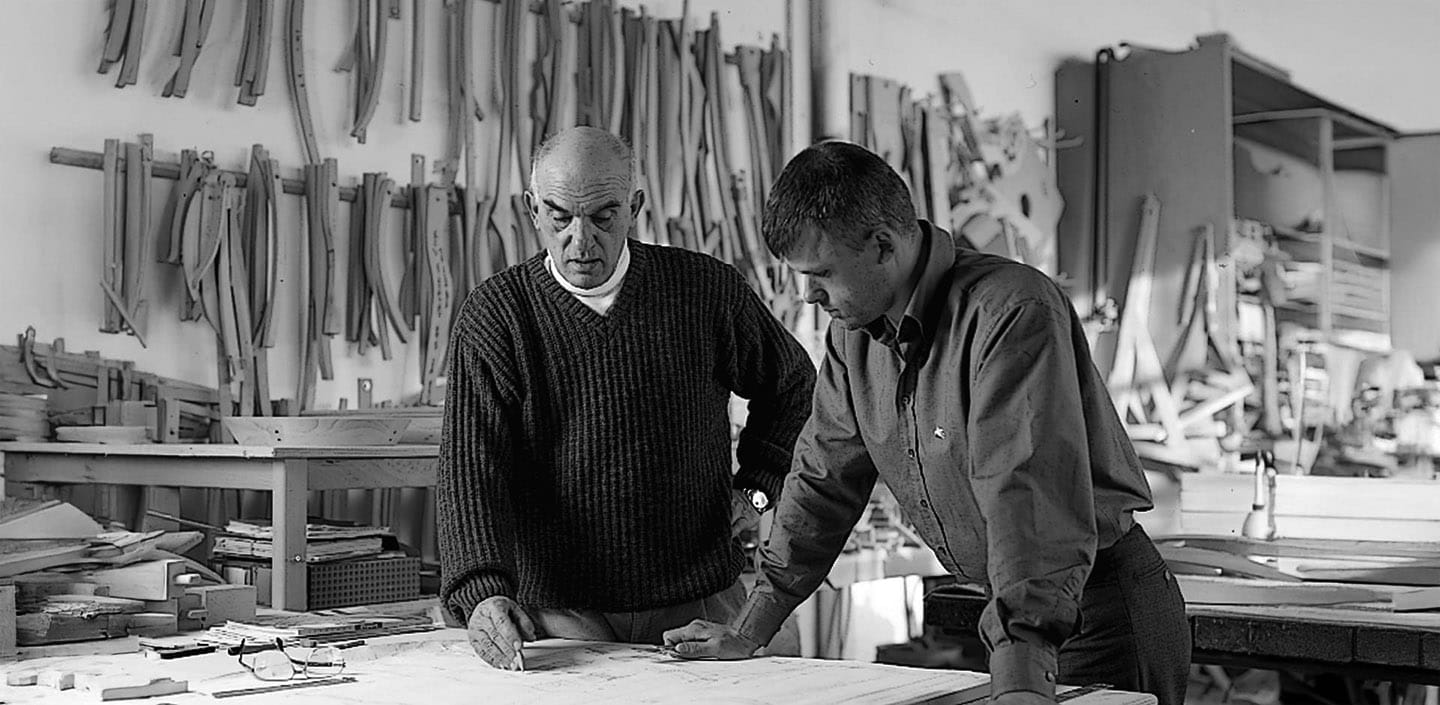
The downswing in consumption that characterised the economy of the eighties is directly related to the opulent iconography of Postmodernism. Objects and architecture privileged symbols over function, but this exuberance of shape touched Friuli only marginally. In contrast, the crisis was felt deeply, leading to uncertainty in the economy. In the Babel of design languages from those years, the models created by Giovanni Fornasarig stood out for their citations, often contained in no more than a curving profile of black lacquered wood. Arianna and Luca Fornasarig join the company.
The nineties
In the early nineties, various factors contributed to north-eastern Italy’s economic leadership. The fall of the Berlin wall and the great hopes for German unification gave considerable impulse to the area’s growing commercial interests in the East. Fabbrica Sedie Friuli Fornasarig became one of the first companies in the district to specialise in the manufacture of seats for the contract market. The company collection won the Top Ten prize at the International Chair Exhibition four times, the Lory, Irina, Liberty and Twingo models earning tributes for design and innovation. In the meantime, the original Fratelli Fornasarig company closed forever. Destiny gave Giovanni the responsibility of shouldering a heritage that, in the hands of his own children, is passing on to young Michele, the fifth generation of a family that has written the history of the Triangle of the Chair.
At the dawn of the third millennium
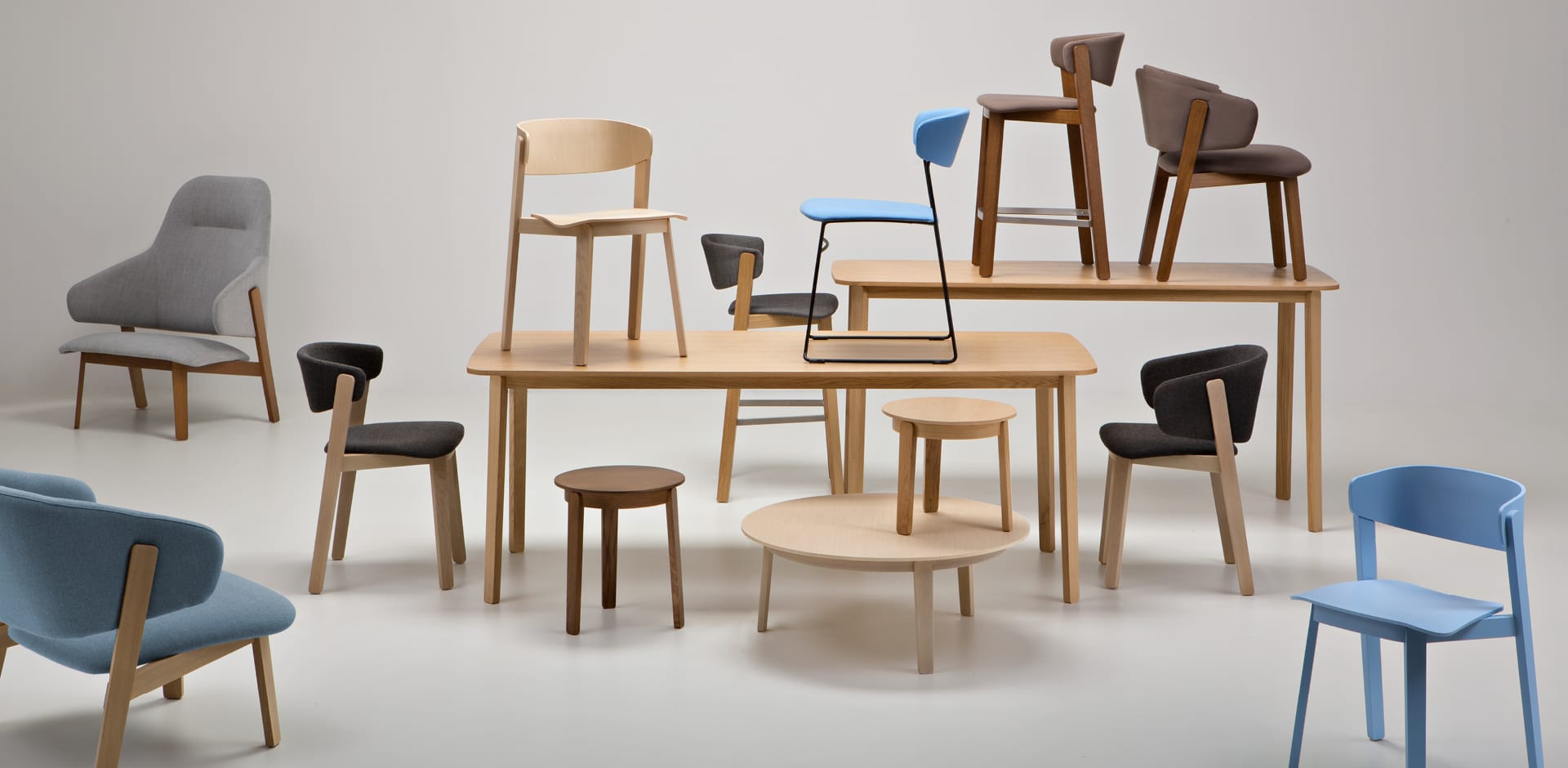
European unity, the single currency, competition from the east, China’s new openness to the world, greater attention to environmental resources and the widespread use of new technologies are some of the factors that have altered the dynamics of the market. Not least, the recent economic conditions caused by global terrorism have become a test bench for business. The response of Fabbrica Sedie Friuli Fornasarig has been a two-point strategy – to do the same things by doing new things. Comfort, elegance, solidity and longevity are characteristics shared by both tradition-inspired “classic” models and the “contemporary” chairs that blaze new trails in design. Chairs created by the Fornasarig research and development team are flanked by the designer models of Motomi Kawakami, Edy and Paolo Ciani, the Swedish CKR - Claesson Koivisto Rune studio and Thibault Desombre.
Are you a professional in the field?
Create an account to access additional features.
Register now